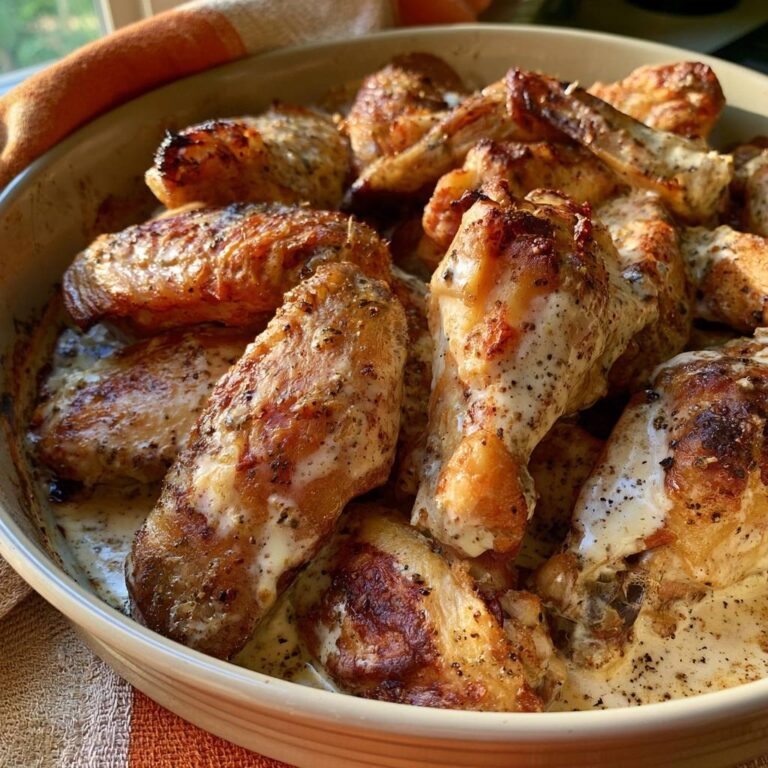
Crispy Chickpea Falafel with Lemon Tahini Sauce
Crispy chickpea falafel is a natural fit for party food, since the fritters are bite-size, look lively on a platter, and disappear quickly. This version skips cooked beans and starts with canned chickpeas that you drain, rinse, and dry thoroughly before pulsing them with plenty of parsley, cilantro, onion, and garlic. The result is a bright, herb-packed fritter with a deeply browned crust and a tender, green-flecked center.
Finished with a pourable lemon tahini sauce and fresh lemon wedges, they make an easy finger food for guests. The notes below cover texture, shaping, frying, and the sauce, plus the mistakes that trip up most cooks.
Why Dry Chickpeas Make All the Difference
Dryness matters more than anything else here. Any surface moisture on the chickpeas gets folded into the mixture and leaves it wet and loose, which makes shaping difficult and can cause the falafel to break apart in the oil. Spread the drained, rinsed chickpeas on a clean kitchen towel and pat them until they feel completely dry. It may feel fussy, but it is the foundation of a falafel that holds together.
Aim for Coarse Meal, Not Paste
The food processor does most of the work, but the goal is a textured mixture. Pulse the onion, parsley, cilantro, and garlic until finely chopped, scraping down the bowl as needed. Then add the chickpeas with the lemon zest, cumin, coriander, salt, black pepper, cayenne, flour, and baking powder. Pulse in short bursts and stop when the mixture looks like coarse meal and holds together when pressed.
Resist the urge to keep running the machine. A smooth paste fries up dense and heavy, while a coarse texture gives you the crisp exterior and tender interior you want. Cover the mixture and refrigerate it, since chilling firms it so each ball keeps its shape in the hot oil.
Shaping and Frying for Crisp Results
Roll each portion between your palms into a firm ball of even size, so the pieces cook at the same rate. Heat the vegetable oil in a heavy pot and let it reach the right temperature before you add any falafel. A deep-fry thermometer helps you keep the oil steady. Fry in small batches, turning gently with a slotted spoon until deep golden brown on all sides.

If the mixture feels too loose after chilling, work in a little more flour gradually. Adding too much makes the falafel dry and dense, so it is better to add less and check again. Drain finished falafel on a wire rack set over paper towels rather than stacking them, so steam can escape and the crust stays crisp.
Getting the Lemon Tahini Sauce Right
Tahini can surprise you the first time you use it. When lemon juice goes in, the sauce thickens and may seize into a stiff paste, which is normal and easy to fix. Whisk in the grated garlic and salt, then add cold water slowly, whisking as you go, until the sauce turns smooth and pourable. Stir the tahini well before measuring, since the oil tends to separate in the jar.
Frequently Asked Questions
Why did my falafel fall apart in the oil?
The most common cause is moisture. If the chickpeas were not patted completely dry, the mixture can turn loose and break apart in the hot oil. Overprocessing into a smooth paste or skipping the chilling time can also cause trouble. Shape firm balls and fry in small batches to help them hold together.
How do I keep falafel crispy when serving a crowd?
Fried falafel are at their crispiest right after draining, so bring them to the table soon after they leave the oil. Keep finished pieces on a wire rack instead of stacking them. Drizzle with the sauce and garnish with parsley just before guests arrive.
Should the lemon tahini sauce be thick or thin?
It should be smooth and pourable, thin enough to drizzle over the falafel but not watery. Tahini thickens when the lemon juice goes in, so the sauce will look tight at first. Whisking in cold water slowly loosens it back to a silky consistency. Stop adding water once it reaches that pourable texture.
Crispy Chickpea Falafel with Lemon Tahini Sauce
Herb-packed chickpea fritters are shaped into balls, chilled for 1 hour, then deep-fried until deeply browned and crisp. They are finished with a pourable lemon tahini sauce and lemon wedges.
6
servings20
minutes12
minutes310
kcal1
hour32
minutesIngredients
- Falafel
2 (15-oz) cans chickpeas, drained, rinsed and patted very dry
1/2 cup chopped yellow onion
1/2 cup packed fresh flat-leaf parsley leaves
1/2 cup packed fresh cilantro leaves
3 garlic cloves, peeled
1 tsp finely grated lemon zest
1 tsp ground cumin
1 tsp ground coriander
1/2 tsp kosher salt
1/2 tsp ground black pepper
1/4 tsp cayenne pepper
2 tbsp all-purpose flour
1/2 tsp baking powder
- Lemon tahini sauce
1/2 cup tahini (sesame paste), well stirred
1/4 cup fresh lemon juice (about 2 lemons)
1 small garlic clove, grated
1/4 tsp kosher salt
1/4 to 1/2 cup cold water
- For frying and serving
8 cups vegetable oil, for frying
2 tbsp chopped fresh parsley, for garnish
1 lemon, cut into wedges
Directions
- Falafel
- Drain and rinse the chickpeas, then spread them on a clean kitchen towel and pat them completely dry. Surface moisture makes the mixture wet and loose, so take a few minutes to dry them well.
- In a food processor, pulse the onion, parsley, cilantro and garlic until finely chopped, scraping down the bowl as needed.
- Add the chickpeas, lemon zest, cumin, coriander, salt, black pepper, cayenne, flour and baking powder. Pulse until the mixture looks like coarse meal and holds together when pressed. Stop before it turns into a smooth paste, which would make the falafel dense.
- Transfer the mixture to a bowl, cover and refrigerate for 1 hour. Chilling firms the mixture so the balls hold their shape in the hot oil.
- Lemon tahini sauce
- While the falafel mixture chills, whisk the tahini and lemon juice together in a bowl. The mixture will thicken and seize at first. Whisk in the grated garlic and salt, then slowly add cold water, 1 tablespoon at a time, until the sauce is smooth and pourable. Set aside.
- Frying
- Scoop out the chilled mixture with a 2-tablespoon cookie scoop and roll each portion between your palms into a firm ball about 1 1/2 inches across. You should have about 24 falafel.
- Heat the vegetable oil in a 4-quart heavy pot over medium-high heat until it reaches 350°F on a deep-fry thermometer. Adjust the heat to keep the oil between 340°F and 360°F.
- Fry 8 falafel at a time for 4 minutes, turning them occasionally with a slotted spoon, until deep golden brown and crisp on all sides. Transfer to a wire rack set over a paper towel-lined sheet pan to drain. Let the oil return to 350°F before frying the next batch.
- Repeat with the remaining falafel in two more batches, for 12 minutes of frying in total.
- Serving
- Arrange the falafel on a platter, drizzle with the lemon tahini sauce, and garnish with chopped parsley. Serve immediately with the lemon wedges.
Notes
- Pat the chickpeas dry before processing. Excess water can make the mixture loose and cause falafel to break apart in the oil.
- If the mixture feels too loose to shape after chilling, add flour 1 teaspoon at a time. Do not add more than 1 tablespoon in total, or the falafel will become dry and dense.
- Tahini thickens when lemon juice is added first. Water loosens it back into a smooth, pourable sauce, so add it slowly.
- Fried falafel are at their crispiest right after draining. Keep finished batches on the wire rack rather than stacking them, so the steam can escape.