
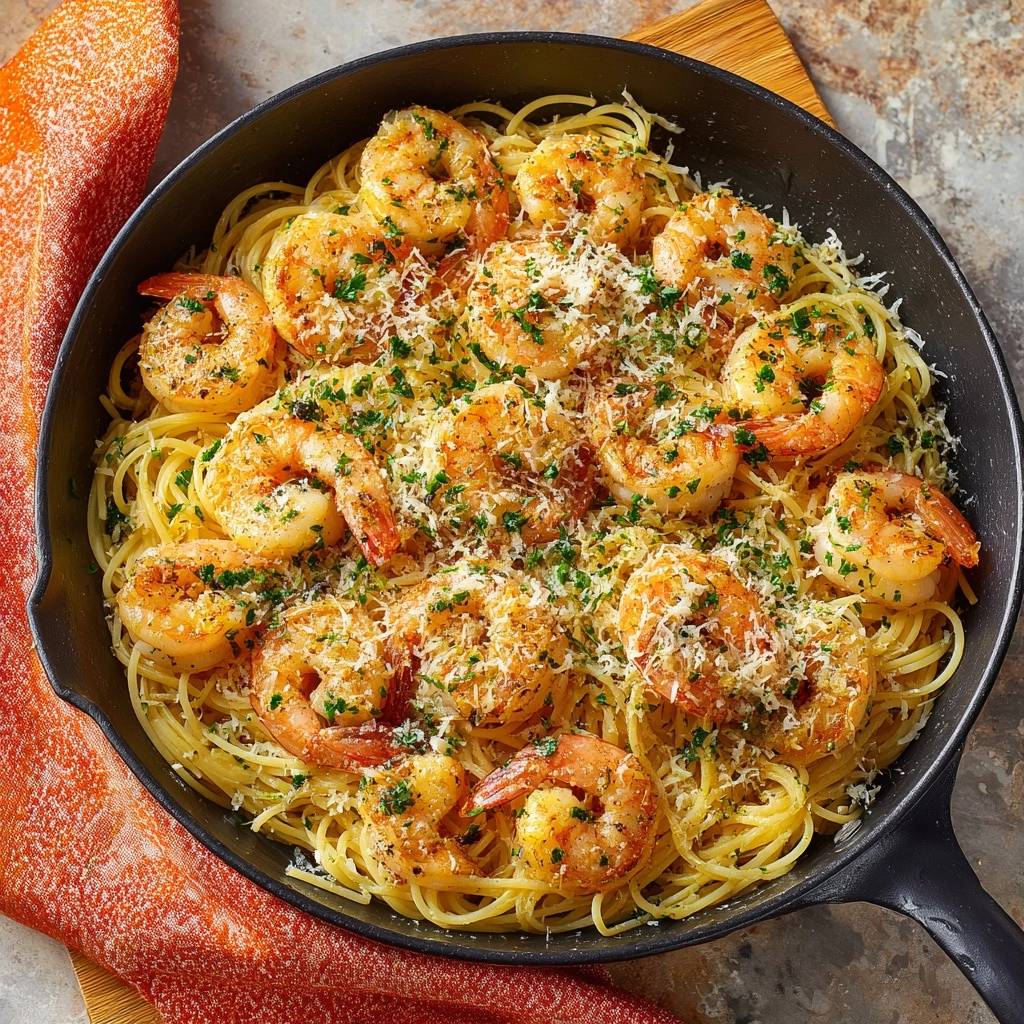
Skillet Garlic Shrimp Pasta: Perfectly Tender, Never Rubbery!
We’ve all been there: anticipating a delightful seafood pasta, only to bite into rubbery shrimp that disappoints. That common culinary frustration ends today with our definitive guide to Skillet Garlic Shrimp Pasta.
This recipe transforms a simple dish into a triumph, leveraging a few key techniques to guarantee perfectly tender, succulent shrimp every single time, making it your new favorite easy weeknight dinner.
Beyond Basic: Why This Skillet Garlic Shrimp Pasta Shines
The “Never Rubbery” Guarantee: Our Secret Method
The hallmark of this Skillet Garlic Shrimp Pasta recipe is its foolproof method for perfectly cooked shrimp. We’ll reveal the simple technique that ensures your shrimp remain incredibly juicy and tender, never chewy or tough.
This approach elevates the entire dish, transforming a common kitchen challenge into a consistent success story you’ll be proud to serve.
Speed & Simplicity: Your New Weeknight Favorite
Forget complex preparations; this Skillet Garlic Shrimp Pasta is designed for efficiency without compromising on flavor. It comes together quickly, making it an ideal choice for busy weeknights when time is precious.
The streamlined process, mostly contained in one skillet, minimizes cleanup and maximizes enjoyment, proving that gourmet taste doesn’t require hours in the kitchen.

Rich Flavor, Fresh Ingredients: A Crowd-Pleaser
A harmonious blend of fragrant garlic, rich butter, and vibrant fresh parsley creates a truly irresistible sauce base. This ensures every strand of pasta and piece of shrimp is infused with robust, satisfying flavors.
This balanced profile, enhanced by a touch of Parmesan, makes our easy shrimp pasta a guaranteed crowd-pleaser for any occasion.
Gather Your Essentials: Ingredients for Skillet Garlic Shrimp Pasta
Star of the Show: Selecting Your Shrimp
Opt for large shrimp (around 21-25 count per pound) for the best texture and presentation. Whether fresh or frozen, always ensure they are peeled, deveined, and thoroughly thawed if starting from frozen.
Leaving the tails on is optional; it adds visual appeal but some prefer them removed for easier eating.
Pasta Perfect: Choosing Your Base
Spaghetti or linguine are classic choices that perfectly hold the rich garlic butter sauce. The long, thin strands provide an ideal canvas for soaking up all the delicious flavors.
Remember to cook your pasta strictly to al dente, offering a slight bite that complements the tender shrimp.
Aromatic Foundation: Garlic, Butter & Olive Oil
Freshly minced garlic is non-negotiable here; it forms the vibrant, aromatic heart of our sauce. Unsalted butter adds richness and depth, while olive oil provides a silky base and aids in searing.
This trio creates an irresistible foundation for your Skillet Garlic Shrimp Pasta.
Freshness & Finish: Herbs, Cheese, and Seasonings
Fresh chopped parsley brightens the dish with its clean, herbaceous notes and beautiful color. Grated Parmesan cheese provides a salty, umami finish that ties everything together beautifully.
Don’t forget salt, black pepper, and optional red pepper flakes for a subtle warmth that complements the garlic and shrimp.
Your Skillet & Beyond: Essential Tools for Success
The Mighty Skillet: Cast Iron vs. Heavy-Bottomed
A large, heavy-bottomed skillet is your most crucial tool for this easy shrimp pasta. A 10-12 inch cast iron or stainless steel skillet provides even heat distribution, essential for perfectly searing the shrimp.
Its ample size also allows for tossing the pasta and sauce without overcrowding, preventing mushy results.
Pot for Pasta: Size Matters
You’ll need a large pot for boiling your spaghetti or linguine. Ensuring ample water volume helps the pasta cook evenly and prevents sticking.
Standard Kitchen Utensils: What You’ll Need
Gather some basic tools to streamline your cooking process.
Tongs: Ideal for searing shrimp and tossing the pasta.
Whisk: Handy for emulsifying the sauce.
Measuring cups and spoons: For precise ingredient quantities.
Grater: For freshly grated Parmesan, which melts beautifully into the sauce.
Crafting Culinary Magic: Your Skillet Garlic Shrimp Pasta Guide
- Al Dente Perfection: Cooking the Pasta
Start by bringing a large pot of generously salted water to a rolling boil. Add your spaghetti or linguine, cooking strictly according to package directions until it reaches that perfect al dente bite.
Crucially, before draining, reserve about 1 cup of the starchy pasta water. This “liquid gold” is essential for our sauce.
- The Tender Trick: Perfectly Searing Your Shrimp
Here’s the secret: pat your peeled and deveined shrimp extremely dry with paper towels. This ensures a beautiful sear, not a steam, which prevents rubberiness.
Season the dried shrimp generously with salt, black pepper, and red pepper flakes (if using). Heat 1 tablespoon of olive oil in your large skillet over medium-high heat until shimmering.
Add the seasoned shrimp in a single layer, ensuring not to overcrowd the pan. Cook for a mere 1-2 minutes per side until they turn pink and opaque. Overcooking is the enemy!
As soon as they are perfectly cooked through, immediately remove the shrimp from the skillet and set them aside on a plate. This stops the cooking process and keeps them incredibly juicy.
- Building the Flavor Base: Garlic & Butter Sauce
In the same skillet, reduce the heat to medium. Add the remaining 1 tablespoon of olive oil and the butter. Let the butter melt completely.
Stir in the minced garlic and cook for just 30-60 seconds, stirring constantly. You want the garlic to be fragrant, not browned or burnt, as burnt garlic can taste bitter.
- The Sauce Thickens: Incorporating Pasta Water
Pour in the reserved 1/2 cup of starchy pasta water. Stir well, making sure to scrape up any delicious browned bits from the bottom of the pan – these add immense flavor.
Allow the sauce to gently simmer for 1-2 minutes until it slightly thickens, creating a luscious base for your pasta.
- Marrying Flavors: Pasta Meets Sauce
Add the drained, cooked spaghetti directly to the skillet with the sauce. Toss vigorously to ensure every strand is evenly coated in the rich, garlicky butter sauce.
Stir in the 1/4 cup of fresh chopped parsley and 1/4 cup of grated Parmesan cheese, tossing again to distribute.
- The Grand Reunion: Warming the Shrimp Back In
Return the perfectly cooked shrimp to the skillet with the pasta. Toss gently for approximately 30 seconds, just long enough to warm the shrimp through without cooking them further.
- Final Flourish: Garnish and Serve
Serve your Skillet Garlic Shrimp Pasta immediately. Garnish generously with extra fresh parsley and additional grated Parmesan cheese for a beautiful presentation and added flavor.
Elevate Your Dish: Expert Tips for Skillet Garlic Shrimp Pasta
The Golden Rule of Shrimp: Don’t Overcook!
The number one mistake is overcooking shrimp. They cook very quickly, turning from grey to pink and opaque in a matter of minutes. Remove them from the heat the moment they are done; they will continue to cook slightly from residual heat.
Mastering the Pasta Water: Why It’s Liquid Gold
The reserved pasta water is not just for thinning; its starch helps to emulsify the sauce, creating a silky, cohesive coating for your pasta. Adjust the amount as needed to reach your desired sauce consistency.
Garlic Wisdom: Fragrant, Not Burnt
Garlic can go from perfectly fragrant to burnt and bitter in seconds. Keep a close eye on it and stir constantly when cooking. If it starts to brown too quickly, briefly remove the skillet from the heat.
Customizing Your Heat: Red Pepper Flakes & Beyond
Red pepper flakes add a subtle warmth, but feel free to increase the amount for a spicier kick, or omit them entirely if you prefer a milder dish. A pinch of fresh chili can also be a vibrant addition.
Fresh Herbs Make a Difference: Parsley Power
While dried parsley can be used in a pinch, fresh parsley adds a vibrant, clean flavor and beautiful color that truly elevates this dish. Stir it in at the very end to preserve its freshness.
Solving Common Snags: Troubleshooting Your Skillet Garlic Shrimp Pasta
Why is my shrimp rubbery?
This is almost always due to overcooking. Shrimp cook very fast. Ensure your skillet is hot, cook for only 1-2 minutes per side until just pink, and remove them immediately from the heat.
Also, ensure you’ve patted them very dry before cooking. Excess moisture can steam the shrimp instead of searing them, leading to a less desirable texture.
My sauce is too thin/thick.
If your sauce is too thin, let it simmer a little longer over medium heat to reduce and thicken slightly. If it’s too thick, add a splash more reserved pasta water, a tablespoon at a time, until it reaches your desired consistency.
The garlic burned! What now?
Unfortunately, burnt garlic can impart a bitter taste to the whole dish. It’s best to discard the garlic and butter, wipe out the pan, and start that step fresh. Cooking garlic slowly and carefully is key.
Pasta is sticking together.
Ensure you’re using a large enough pot for your pasta and that the water is generously salted. Stir the pasta frequently in the first few minutes of cooking. Also, make sure not to overcook it beyond al dente.
Beyond the Skillet: Serving Suggestions & Storage Tips
Perfect Pairings: What to Serve Alongside
This Skillet Garlic Shrimp Pasta is a hearty meal on its own, but it pairs wonderfully with a crisp green salad dressed with a vinaigrette. Crusty bread is also fantastic for soaking up every last bit of that delicious sauce.
Storing Leftovers: Keeping Freshness Alive
Store any leftover Skillet Garlic Shrimp Pasta in an airtight container in the refrigerator for up to 2-3 days. Note that the shrimp texture may change slightly upon reheating.
Make-Ahead Magic: Prepping for Success
While best served fresh, you can peel and devein your shrimp a day in advance, storing them in the fridge. You can also mince your garlic and chop your parsley ahead of time to streamline the cooking process.
Your Burning Questions Answered: Skillet Garlic Shrimp Pasta FAQs
Can I use frozen shrimp?
Yes, absolutely! Just be sure to fully thaw the frozen shrimp overnight in the refrigerator or under cold running water before cooking. Pat them very dry before seasoning and searing for the best results.
What if I don’t have Parmesan cheese?
While Parmesan adds a classic salty, umami flavor, you can substitute other hard, salty cheeses like Pecorino Romano, or even a good quality nutritional yeast for a dairy-free option. The flavor profile will shift slightly, but it will still be delicious.
Can I make this gluten-free?
Yes, simply substitute the regular spaghetti or linguine with your favorite gluten-free pasta. Follow the package directions for cooking, and ensure your reserved pasta water is from the gluten-free pasta itself.
How long does this dish last in the fridge?
Skillet Garlic Shrimp Pasta is best enjoyed fresh, but leftovers can be safely stored in an airtight container in the refrigerator for up to 2 to 3 days. Reheat gently on the stovetop or in the microwave.
Your Skillet Garlic Shrimp Pasta Awaits: Share Your Success!
There you have it – the definitive guide to crafting a Skillet Garlic Shrimp Pasta that’s truly unforgettable, where every bite of shrimp is tender, juicy, and perfectly infused with flavor. Say goodbye to culinary frustrations and hello to a new favorite that’s as easy to make as it is to devour.
We encourage you to try this recipe tonight and experience the magic for yourself. Don’t forget to share your creations and tag us on social media – we can’t wait to see your perfectly tender shrimp pasta masterpieces!

Skillet Garlic Shrimp Pasta
Course: Main CourseCuisine: Italian-AmericanDifficulty: easy4
servings20
minutes20
minutes40
minutesItalian-American
Ingredients
1 pound large shrimp, peeled and deveined, tails on or off
8 ounces spaghetti or linguine
2 tablespoons olive oil
4 cloves garlic, minced
1/4 cup unsalted butter
1/2 cup pasta water (reserved from cooking)
1/4 cup chopped fresh parsley, plus more for garnish
1/4 cup grated Parmesan cheese, plus more for garnish
1/2 teaspoon red pepper flakes (optional)
Salt and black pepper to taste
Directions
- Bring a large pot of salted water to a boil. Add the spaghetti and cook according to package directions until al dente. Before draining, reserve about 1 cup of the starchy pasta water. Drain the pasta and set aside.
- Here’s the secret to tender shrimp: Pat the shrimp very dry with paper towels. Season them generously with salt, black pepper, and if using, red pepper flakes. Heat a large skillet (cast iron or heavy-bottomed is great) over medium-high heat until it’s hot. Add 1 tablespoon of olive oil. Once shimmering, add the seasoned shrimp in a single layer, making sure not to overcrowd the pan. Cook for just 1-2 minutes per side until they turn pink and opaque. As soon as they are fully cooked, immediately remove the shrimp from the skillet and set them aside on a plate. This prevents overcooking and keeps them juicy.
- In the same skillet, reduce the heat to medium. Add the remaining 1 tablespoon of olive oil and the butter. Once the butter is melted, add the minced garlic and cook for about 30-60 seconds, stirring constantly, until fragrant. Do not let the garlic brown or burn.
- Pour in the reserved 1/2 cup of pasta water and stir, scraping up any browned bits from the bottom of the pan. Let it simmer for 1-2 minutes until the sauce slightly thickens.
- Add the cooked spaghetti to the skillet with the sauce. Toss well to coat the pasta evenly. Stir in the 1/4 cup chopped fresh parsley and 1/4 cup grated Parmesan cheese.
- Return the perfectly cooked shrimp to the skillet with the pasta. Toss gently for about 30 seconds, just to warm the shrimp through.
- Serve immediately, garnished with extra fresh parsley and grated Parmesan cheese. Enjoy your perfectly tender shrimp!
Notes
- The key to tender shrimp is to pat them very dry and cook quickly without overcrowding, then remove immediately to prevent overcooking.


