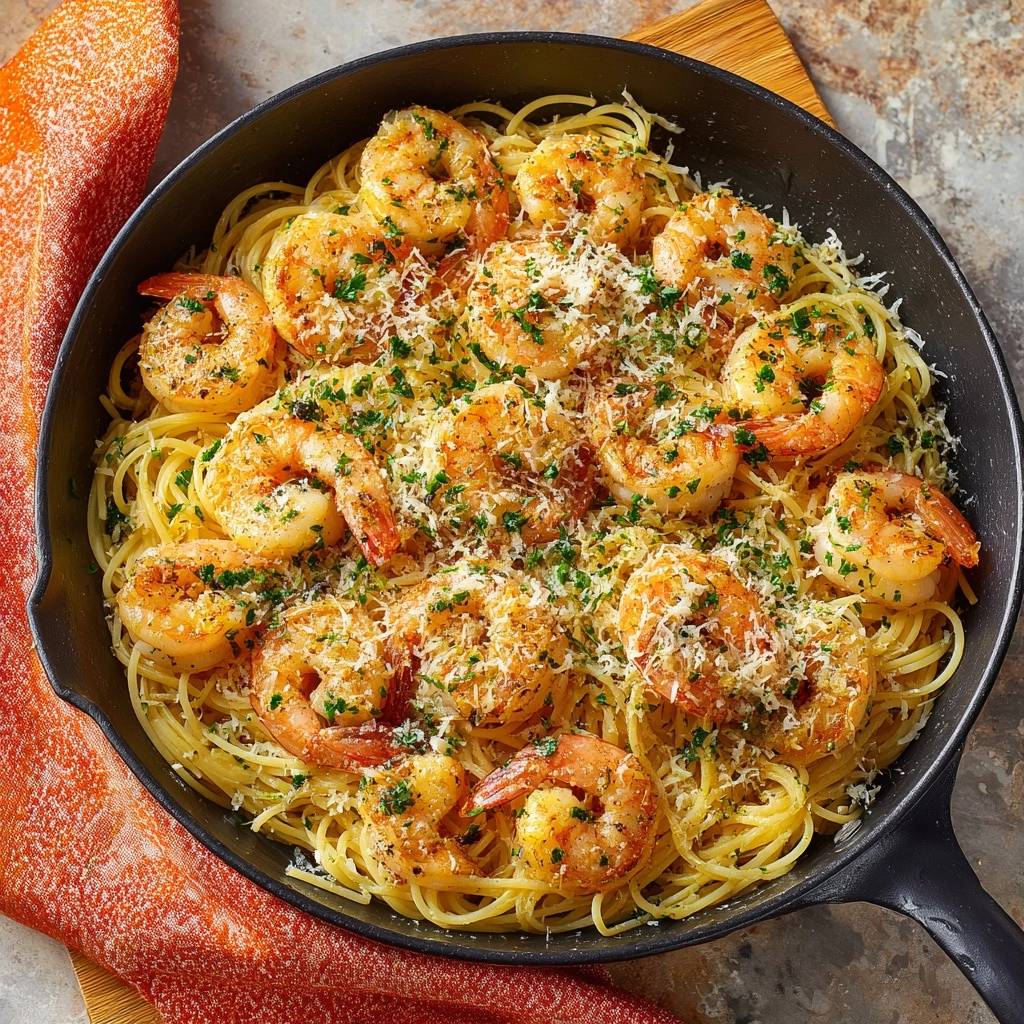
Creamy Scallop Risotto: Never Gummy, Always Perfect!
For years, I’d shy away from making risotto at home, haunted by memories of bland, sticky rice that never quite hit that creamy, restaurant-quality mark. But discovering the right techniques transformed my kitchen, making me realize a truly exceptional Creamy Scallop Risotto is not just possible, but incredibly rewarding.
This recipe isn’t just about ingredients; it’s a guide to unlocking that perfectly tender, never-gummy texture, elevated by succulent, perfectly seared scallops. Get ready to master a dish that truly impresses, proving that creamy scallop risotto can be a consistent triumph in your culinary repertoire.
The Secret to Restaurant-Quality Creamy Scallop Risotto at Home
Why This Recipe Banishes Gummy Risotto Forever
The secret to a consistently non-gummy risotto lies in a foundational technique: properly toasting the Arborio rice.
This initial heat “seals” each grain, allowing it to absorb liquid slowly and release starches evenly, creating that desired creamy consistency without becoming a sticky mess.
Achieving That Dreamy, Velvety Texture Every Time
Our method emphasizes gradual broth addition combined with rhythmic, gentle stirring.
This process encourages the Arborio rice to release its natural starches, building a luxurious, velvety sauce that coats every grain perfectly.

The final touch of butter and Parmesan cheese melts in, enriching the risotto to an irresistible silken finish.
More Than Just a Meal: An Impressive & Rewarding Experience
Creating this Creamy Scallop Risotto is more than just cooking; it’s an immersive culinary experience that culminates in a truly elegant dish.
It’s the perfect centerpiece for a special occasion, showcasing sophisticated flavors and a restaurant-quality presentation right in your own dining room.
Building Your Scallop Risotto from the Ground Up: Essential Ingredients
The Stars: Large Sea Scallops (Choosing & Prepping)
For the best creamy scallop risotto, select fresh, large sea scallops. They offer a sweeter flavor and a better texture when seared.
Crucially, pat them thoroughly dry with paper towels before cooking to ensure a perfect golden-brown crust, preventing them from steaming.
Arborio Rice: The Heart of Creaminess
Arborio rice is non-negotiable for authentic risotto. Its high amylopectin starch content is key to creating that signature creamy texture.
As it cooks, Arborio rice releases these starches, forming a luscious sauce that binds the dish together.
Aromatic Foundations: Onion, Garlic, and Warm Broth
Finely chopped yellow onion and minced garlic form the aromatic backbone of this dish. They infuse the risotto with depth and warmth from the very beginning.
Always keep your vegetable broth warm; cold broth can shock the rice, hindering starch release and affecting the final creamy consistency.
The Finishing Touch: Butter, Parmesan, and Fresh Herbs
A final swirl of unsalted butter and grated Parmesan cheese delivers richness and an unparalleled velvety mouthfeel.
Freshly chopped parsley provides a vibrant visual contrast and a fresh, herbaceous note that brightens the entire creamy scallop risotto.
Essential Kitchen Companions for Your Risotto Journey
Must-Have Pots and Pans
A heavy-bottomed pot or Dutch oven is essential for cooking the risotto. Its even heat distribution prevents sticking and promotes consistent cooking.
For the scallops, a large skillet (stainless steel or cast iron) is ideal. It ensures excellent heat retention for a perfect sear.
Handy Utensils and Prep Gear
A sturdy wooden spoon or heat-resistant spatula is needed for constant, gentle stirring of the risotto.
You’ll also need a ladle for gradually adding broth, and a good chef’s knife for precise chopping of your aromatics.
Crafting Your Perfect Creamy Scallop Risotto: A Step-by-Step Culinary Journey
Step 1: Mastering the Scallop Sear for Golden Perfection
Pat the scallops thoroughly dry with paper towels; this is crucial for achieving a beautiful golden-brown sear. Season them generously with salt and pepper.
Heat olive oil and 1 tablespoon of butter in a large skillet over medium-high heat until shimmering. Add scallops in a single layer, ensuring not to overcrowd the pan, and sear for 1.5 to 2 minutes per side until golden and just cooked through. Remove and set aside.
Step 2: Sautéing Aromatics to Build a Flavor Base
In your risotto pot (a separate heavy-bottomed pot or Dutch oven), add 1 tablespoon of olive oil over medium heat. Sauté the finely chopped onion, stirring occasionally, until it’s softened and translucent, about 3-5 minutes.
Stir in the minced garlic and cook for just another minute until it becomes fragrant, being careful not to burn it.
Step 3: The Crucial Rice Toasting (Your Gummy-Proofing Secret!)
Add the Arborio rice to the pot with the sautéed onion and garlic. Stir constantly for 2-3 minutes; you’ll notice the edges of the rice grains becoming translucent while the center remains opaque.
This vital toasting step “seals” the rice, allowing it to absorb liquid slowly and release starches evenly, directly preventing a gummy texture later on.
Step 4: Gradually Adding Broth for that Signature Creaminess
Pour in one cup of the warm vegetable broth. Stir gently and continuously until almost all the liquid has been absorbed by the rice.
Keeping your broth warm is essential here; cold broth can shock the rice, hindering the perfect starch release needed for a creamy consistency.
Step 5: Testing for Al Dente Perfection and Seasoning
Continue adding the warm broth, about half a cup at a time, allowing each addition to be almost fully absorbed before adding the next. Stir frequently but not aggressively for about 20-25 minutes total.
After about 15-20 minutes, taste a grain of rice; it should be al dente-tender with a slight bite in the center, not hard or mushy. The risotto should be creamy and flowy, forming a “wave” when you tilt the pot.
If too thick, add a little more broth until it reaches this ideal consistency. Season with salt and pepper to taste.
Step 6: Stirring in the Final Richness and Serving
Stir in the remaining 2 tablespoons of butter and the optional Parmesan cheese. This butter adds a final touch of richness, contributing to that velvety smooth texture.
Gently fold the seared scallops back into the risotto. Ladle the creamy scallop risotto into bowls, garnish generously with fresh chopped parsley, and serve immediately for the best experience.
Unlock the Secrets: Expert Tips for Scallop Risotto Success
The Importance of Warm Broth and Consistent Stirring
Always keep your broth warm to maintain a consistent cooking temperature for the rice, ensuring even starch release. Stir frequently but gently, enough to release starches without mashing the grains.
Perfecting Your Scallop Searing Technique
A truly dry scallop is key for a good sear. Ensure your pan is hot enough (shimmering oil) before adding them and avoid overcrowding to prevent steaming instead of searing.
Achieving the Ideal Risotto Consistency (“The Wave”)
Your finished risotto should be fluid, not stiff. When you tilt the pot, it should gently flow like a wave, indicating perfect creaminess without being soupy.
When to Season and Taste Along the Way
Risotto absorbs salt as it cooks. Taste regularly in the final stages, especially after adding broth and before adding Parmesan, adjusting seasoning as needed.
Don’t Overcook Your Scallops!
Scallops cook quickly. Sear them just until golden and opaque, then remove them. They will continue to cook slightly when folded back into the warm risotto.
Common Risotto Roadblocks? Here’s How to Fix Them!
Why is My Risotto Gummy or Mushy?
This often happens if the rice wasn’t properly toasted initially or if too much broth was added at once. Ensure adequate toasting and add broth gradually, allowing each addition to absorb almost completely.
Over-stirring can also break down the rice grains, releasing too much starch. Stir consistently but not aggressively.
My Risotto is Too Dry or Too Soupy.
If too dry, simply add a bit more warm broth, a tablespoon at a time, stirring until it reaches your desired creamy consistency. If too soupy, continue to cook and stir gently, allowing more liquid to evaporate, but be mindful not to overcook the rice.
My Scallops Aren’t Golden Brown.
Ensure your scallops are very dry before searing and that your pan and oil are hot enough. Avoid overcrowding the pan; sear in batches if necessary to maintain high heat and achieve that perfect crust.
The Flavor Just Isn’t Popping.
Check your seasoning! Ensure you’ve added enough salt and pepper. High-quality broth also makes a big difference. Don’t forget the final stir-ins like butter and Parmesan, which boost richness and umami.
Your Top Questions About Creamy Scallop Risotto, Answered
What’s the best type of rice for risotto?
Arborio rice is widely recommended due to its high starch content (amylopectin), which is crucial for achieving risotto’s signature creamy texture as it’s released during cooking.
Can I use chicken or beef broth instead of vegetable?
While vegetable broth is traditional for a seafood risotto, you can use chicken broth for a richer flavor profile. Avoid beef broth as its strong flavor can overpower the delicate scallops.
How do I make Creamy Scallop Risotto ahead of time?
Risotto is best served immediately as its texture degrades quickly. However, you can prep ingredients like chopping onions and mincing garlic in advance.
You can also cook the risotto almost to completion (al dente minus the final broth addition, butter, and Parmesan) and finish it just before serving.
What are the best wine pairings for this dish?
A crisp, dry white wine pairs beautifully with creamy scallop risotto. Consider options like Sauvignon Blanc, Pinot Grigio, or an unoaked Chardonnay to complement the rich flavors without overpowering the scallops.
How long can I store leftover risotto?
Leftover risotto can be stored in an airtight container in the refrigerator for up to 2-3 days. Note that the texture will become thicker, and the rice will soften further upon reheating.
Elevating Your Dish: Serving & Storage Suggestions
Elegant Serving Ideas and Perfect Pairings
Serve your creamy scallop risotto in warm, shallow bowls with a generous sprinkle of fresh parsley. For an extra touch, a drizzle of high-quality olive oil or a few grinds of fresh black pepper can elevate the dish.
Consider serving alongside a simple green salad with a light vinaigrette to balance the richness, or some crusty bread for soaking up every last bit of creamy goodness.
Best Practices for Storing Leftover Risotto
Allow any leftover risotto to cool completely before transferring it to an airtight container. Refrigerate promptly to maintain freshness and safety.
Can You Reheat Risotto? (And How to Do It Best)
Yes, you can reheat risotto, though the texture won’t be quite the same as freshly made. Reheat gently in a saucepan over low heat, adding a splash of warm broth or water to restore some of its creaminess, stirring frequently until heated through.
Your Culinary Triumph Awaits: Share Your Scallop Risotto Masterpiece!
You’ve now unlocked the secrets to creating a truly spectacular Creamy Scallop Risotto – one that’s perfectly tender, wonderfully creamy, and gloriously gummy-free. This dish is a testament to mindful cooking and delivers a luxurious dining experience right in your home kitchen.
Don’t let the mystique of risotto intimidate you any longer. Embrace the process, savor the aromas, and prepare to impress yourself and your loved ones. We’d love to see your culinary creations! Share your scallop risotto triumph with us in the comments or on social media.

Creamy Scallop Risotto
Course: Main CourseCuisine: ItalianDifficulty: easy4
servings15
minutes35
minutes50
minutesItalian
Ingredients
1 pound large sea scallops
1 tablespoon olive oil, plus more if needed
3 tablespoons unsalted butter, divided
1 small yellow onion, finely chopped
2 cloves garlic, minced
1.5 cups Arborio rice
5 cups warm vegetable broth
1/2 teaspoon salt, plus more to taste
1/4 teaspoon black pepper, plus more to taste
1/2 cup grated Parmesan cheese (optional)
1/4 cup fresh parsley, finely chopped, for garnish
Directions
- Prep and Sear Scallops: Pat the scallops thoroughly dry with paper towels. This is essential for a good sear. Season them generously with salt and pepper. In a large skillet, heat 1 tablespoon olive oil and 1 tablespoon of the butter over medium-high heat until shimmering. Add scallops in a single layer, making sure not to overcrowd the pan. Sear for 1.5 to 2 minutes per side until golden brown and just cooked through. Remove the scallops to a plate and set aside.
- Sauté Aromatics: In a separate large, heavy-bottomed pot or Dutch oven (your risotto pot), add 1 tablespoon of olive oil over medium heat. Add the finely chopped onion and cook, stirring occasionally, until softened and translucent, about 3-5 minutes. Add the minced garlic and cook for another minute until fragrant.
- Toast the Rice (Your Gummy-Proofing Secret!): Add the Arborio rice to the pot with the onion and garlic. Stir constantly for 2-3 minutes. You’ll see the edges of the rice grains become translucent, but the center will remain opaque. This crucial toasting step helps seal the rice, allowing it to absorb liquid slowly and release starches evenly, which is what prevents it from becoming gummy later.
- Add Broth Gradually: Pour in one cup of the warm vegetable broth. Stir gently and continuously until the liquid is almost completely absorbed by the rice. Keeping your broth warm is key here; cold broth can shock the rice and hinder that perfect starch release.
- Continue Adding and Stirring: Continue adding the warm broth, about half a cup at a time, allowing each addition to be almost fully absorbed before adding the next. Stir frequently but not aggressively. This rhythmic stirring helps the rice release its starches, creating that desired creamy texture without breaking down the grains into mush. This process will take about 20-25 minutes.
- Check for Doneness: After about 15-20 minutes, taste a grain of rice. It should be al dente, meaning tender with a slight bite in the center, not hard and not mushy. The risotto should be creamy and flowy, creating a “wave” when you tilt the pot. If it’s too thick, add a little more broth until it reaches this perfect consistency. Season with salt and pepper to taste.
- Finish and Serve: Stir in the remaining 2 tablespoons of butter and the optional Parmesan cheese. The butter adds a final touch of richness and helps achieve that velvety smooth texture. Gently fold the seared scallops back into the risotto.
- Ladle the creamy scallop risotto into bowls, garnish generously with fresh chopped parsley, and serve immediately!
Notes
- Key steps for perfect, non-gummy risotto: thoroughly dry scallops, toast rice, use warm broth, and stir continuously.